



In the face of escalating environmental challenges, Bangladesh confronts issues such as deforestation, biodiversity loss, and the adverse effects of climate change. These challenges are particularly pronounced in rural areas, where communities often lack the resources and awareness to combat environmental degradation. Recognizing the urgent need for sustainable environmental practices, RUPSA (Rural and Urban Problem Sove Association) has launched the “Trees for Tomorrow” project under its broader Green Horizons initiative. This project is dedicated to enhancing green cover, promoting environmental awareness, and empowering communities through tree plantation activities.
Launched in 2010, “Trees for Tomorrow” is a community-centric afforestation program aimed at restoring ecological balance and promoting sustainable livelihoods in rural Bangladesh. The project focuses on planting a diverse range of trees, including fruit-bearing, medicinal, and indigenous species, across rural areas. By engaging local communities, especially school students, in tree plantation activities, the project fosters a sense of environmental stewardship and responsibility.
Annual Tree Plantation Drives
Each year, RUPSA organizes extensive tree plantation campaigns across various rural regions. These drives focus on planting a mix of fruit-bearing, medicinal, and indigenous trees to ensure ecological balance and provide economic benefits to local communities.
Sapling Distribution in Schools
Recognizing the pivotal role of youth in environmental conservation, RUPSA distributes saplings to students in schools. This initiative not only encourages students to plant and care for trees but also integrates environmental education into their curriculum.
Community Workshops and Training
RUPSA conducts workshops and training sessions for community members, educating them on the benefits of tree plantation, proper planting techniques, and tree maintenance. These sessions aim to build local capacity and ensure the sustainability of plantation efforts.

Climate Regulation:
Trees absorb carbon dioxide, helping to mitigate climate change.
Water Cycle Support:
Trees facilitate groundwater recharge and maintain the water cycle.
Economic Benefits:
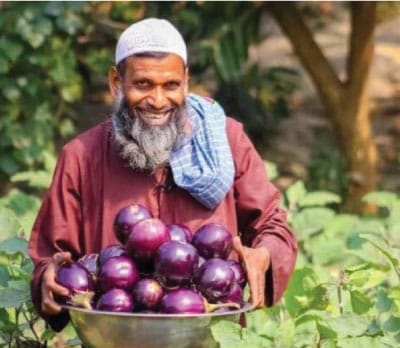
Fruit and medicinal trees offer additional income sources for rural communities.

Since its inception, “Trees for Tomorrow” has achieved significant milestones:
Planted over 10,000 trees across 22 rural communities.
– Distributed 20,000 saplings to students in 20 schools.
– Conducted 10 community workshops, engaging over 800 participants.
– Improved local biodiversity and provided additional sources of income through fruit and medicinal tree cultivation.
RUPSA’s “Green Impact” initiative is rooted in one powerful belief: that environmental responsibility and community well-being must go hand in hand. In a time of rising pollution, climate threats, and urban waste, Green Impact empowers communities to take sustainable action, starting from the grassroots.
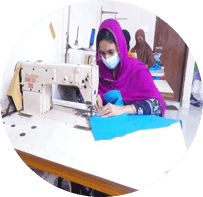
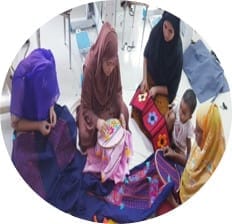
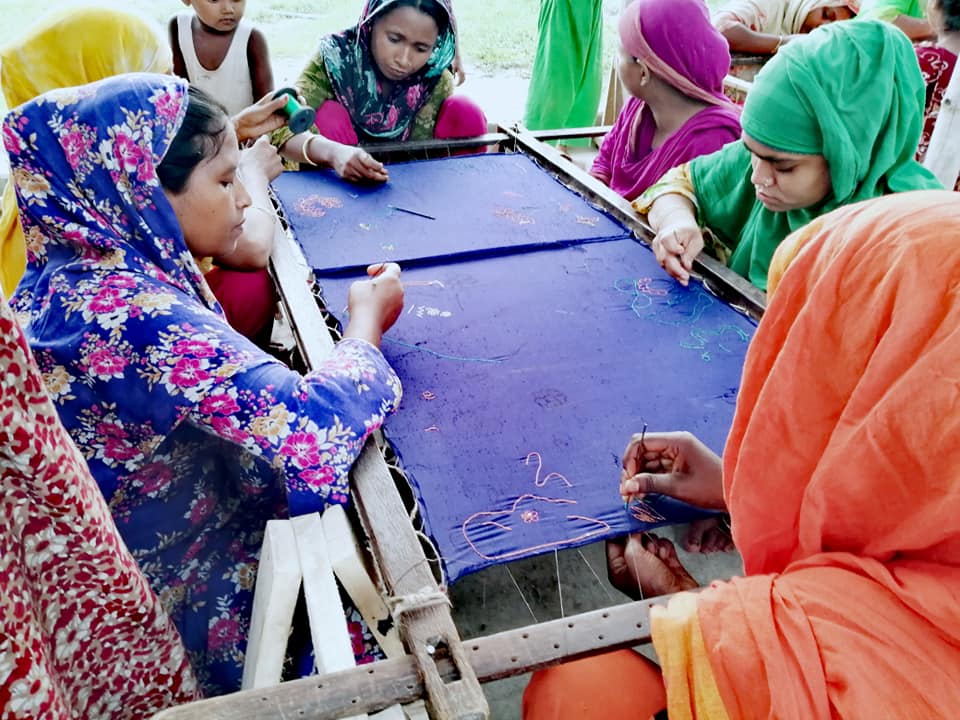
We work with women, youth, and marginalized groups to create and promote eco-friendly products like reusable bags, biodegradable packaging, and hygienic green sanitary napkins (in development). These not only reduce plastic use and waste but also create jobs and dignity for those involved in their production.
Through awareness campaigns, skill-building, and local market linkage, Green Impact turns waste into worth, giving people the tools to protect the planet while supporting their families.
– Promote eco-conscious behavior in rural and urban settings
– Train communities to produce and market green alternatives
– Support sustainable livelihoods through green product businesses
– Reduce plastic dependency and environmental harm
Every purchase of a Green Impact product is a vote for cleaner air, healthier communities, and a greener future. Let’s build a sustainable Bangladesh — one product, one person, and one choice at a time.
Environmental Protection – Reducing plastic and waste through accessible, everyday alternatives.
Economic Empowerment – Enabling marginalized people to earn with dignity through green skills and sales.
– Community workshops on sustainability
– Product development labs in partnership with Rupsa IT & Rupsa Mart
– Local green markets and online selling platforms
– Tree plantation drives and school awareness programs
– Collaboration with CSR partners to scale impact
This initiative is not just about products — it’s about changing mindsets, reducing our ecological footprint, and ensuring that even the smallest rural voices are heard in the fight against climate change.
Green Impact focuses on empowering:
– Rural Women: Providing them with skills and opportunities to become entrepreneurs in the eco-friendly product sector.
– Low-Income Families: Offering alternative income sources through sustainable practices.
– Youth and Community Groups: Engaging them in environmental stewardship and sustainable development initiatives.
Expected Outcomes
– Increased Environmental Awareness: Communities are becoming more conscious of environmental issues and adopting sustainable practices.
– Economic Empowerment: Beneficiaries generating income through the production and sale of eco-friendly products.
Reduction in Plastic and Carbon Footprint: Decreased reliance on single-use plastics and adoption of low-carbon alternatives.
Green Impact is more than a project; it’s a movement towards a sustainable and equitable future. By empowering communities and promoting eco-friendly practices, RUPSA is paving the way for a greener Bangladesh.
 US Dollar
 Bangladeshi Taka
 British Pund


