


At RUPSA, we believe
that access to quality healthcare is not a luxury reserved for the few but a
fundamental human right for all. Yet, across Bangladesh, thousands of
unprivileged women, children, and marginalized individuals continue to live
without access to even the most basic health services. The reality is
especially grim in rural and low-income urban areas, where healthcare remains
out of reach due to poverty, distance, or lack of awareness.
Our Health &
Wellness program was created in response to this injustice. It is a
compassionate, community-driven initiative that seeks to serve those who are
most often ignored—widows, single mothers, persons with disabilities, the
elderly, and disadvantaged families. Through this program, we address both
immediate health needs and long-term preventive care, while promoting dignity,
education, and empowerment.
We believe that true
wellness goes beyond medicine. It includes ensuring that every woman has access
to reproductive hygiene, every mother can safely deliver her child, and every
child receives the care they need to grow. Whether through a sanitary pad, a
free ambulance ride, or a medical camp during a flood—RUPSA is there.
Dignity Care For Women
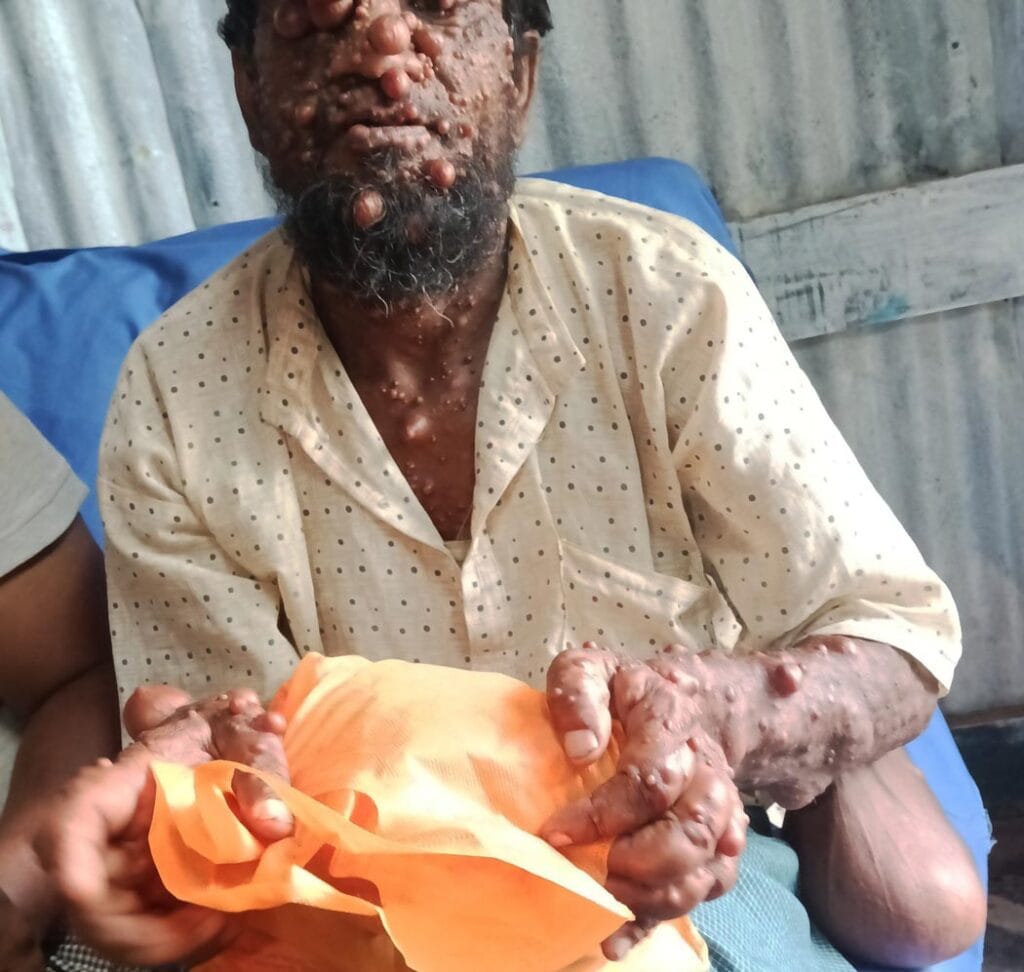
Women’s health is central to the well-being of families and communities. In many parts of Bangladesh, thousands of women lack access to basic reproductive health services, products, and hygiene education, leading to illness, school dropouts, and shame.
Dignity Care for Women provides:
– Free or low-cost green sanitary napkins
– Menstrual hygiene awareness sessions for women and adolescent girls
– Monthly health screenings and counseling for mothers and children
– Awareness-building around reproductive rights and safe practices
Impact:
Over 1,200 women in
underserved communities have already benefited from our dignity kits and
awareness sessions. This has improved school attendance among teenage girls and
restored confidence among adult women, helping them stay active in work and
society.
Ambulance Services
Emergency transportation is often unavailable or unaffordable for poor families, especially in remote areas. In many cases, people die not because treatment is unavailable—but because they cannot reach the hospital in time.
RUPSA operates a free or symbolic-cost ambulance service for the poor, especially:
– Pregnant women in labor
– Emergency child patients
– Road accident victims
– The elderly or chronically ill in rural areas
Our ambulance service ensures that medical help is never out of reach due to poverty or distance.
Impact:
Since launching, this service has helped over 800 emergency cases—saving lives, reducing maternal complications, and improving access to healthcare in low-income communities.
Responsive Health Care
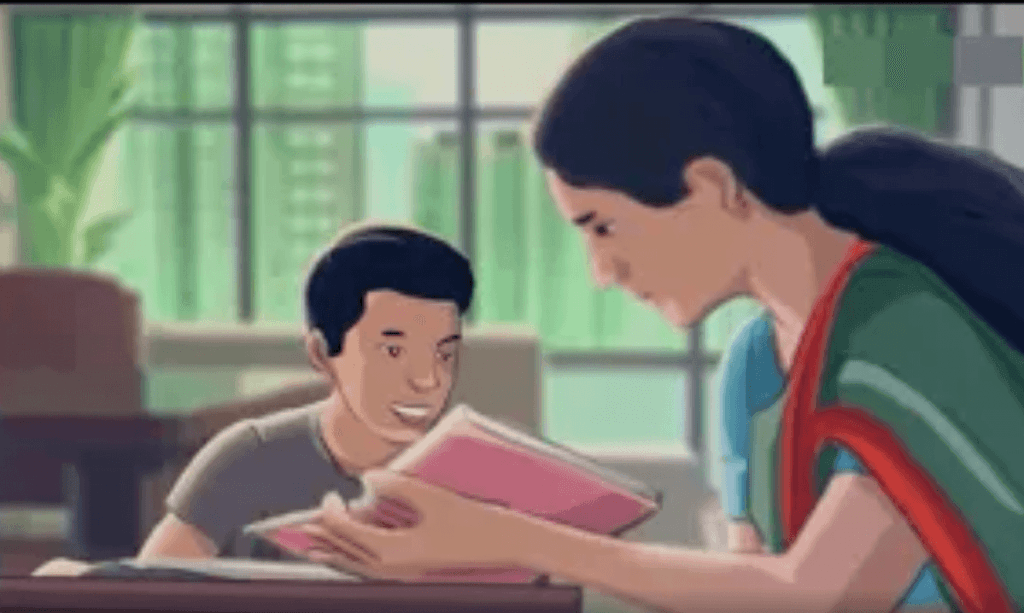
When disasters, floods, or community outbreaks strike—vulnerable populations suffer the most. Our Free Medical Camp initiative brings responsive healthcare directly to communities during emergencies or seasonal needs.
This includes:
– Mobile health clinics in remote villages
– Free doctor consultations, medicine, and first-aid
– Health awareness sessions on nutrition, sanitation, and disease prevention
– Access to our online blood bank network, connecting donors with critical patients
Impact:
With over 20+ health camps conducted, more than 3,000 individuals—especially children and elderly—received vital healthcare. The blood bank has successfully supported patients needing urgent transfusion in rural clinics.
RUPSA’s Health & Wellness program is more than a service—it’s a promise to stand beside the most vulnerable in moments of need. Every clinic, every ambulance trip, every awareness session is a step toward a healthier, more dignified future for those left behind by the system. With the support of our donors, partners, and volunteers, we are not only treating illness—we are restoring hope, protecting lives, and building resilient communities where everyone, regardless of status, has the right to live well. Together, we can ensure that healthcare reaches the last mile—because every life matters.
 US Dollar
 Bangladeshi Taka
 British Pund